

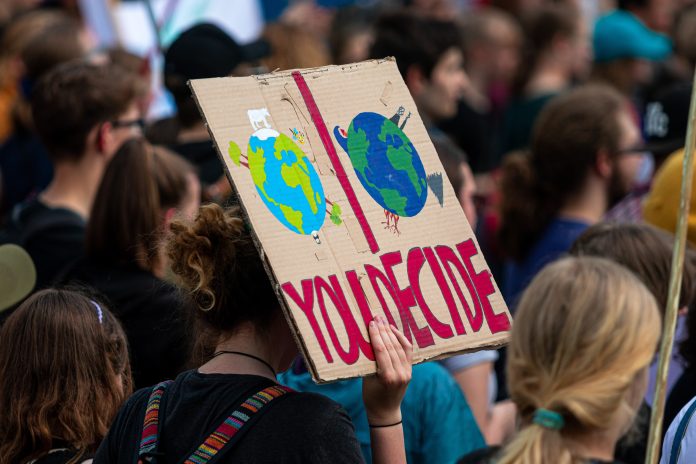
Climate change is a justice Issue whether we acknowledge it or not. When people hear the words climate change, many imagine melting ice caps, rising sea levels, or endangered animals. While these environmental impacts are real and urgent, they tell only part of the story. Climate change is not just an environmental problem—it is a justice issue that affects people differently based on where they live, how much they earn, their race, gender, and access to power.
At its core, climate change exposes and deepens existing inequalities. Understanding it as a justice issue helps us see who is most affected, who is most responsible, and why fair solutions matter.
• Climate Change Does Not Affect Everyone Equally
One of the biggest reasons climate change is a justice issue is that its impacts are unequal. Communities that contribute the least to global emissions often suffer the most severe consequences.
For example, many low-income countries in Africa, Asia, and small island nations produce only a tiny fraction of global greenhouse gases. Yet they face extreme heat, droughts, floods, food insecurity, and displacement. In contrast, wealthier countries that have benefited most from fossil fuel use are often better equipped to adapt, recover, and protect their citizens.
“This imbalance raises a critical question: Is it fair that those least responsible pay the highest price?”
READ MORE: Innoson Africa’s First Environmentally Friendly Car
• Climate Change and Poverty Are Closely Linked
Climate change hits hardest where poverty already exists. When floods destroy homes, droughts kill crops, or heatwaves strain health systems, poor communities have fewer resources to cope.
Farmers relying on rain-fed agriculture may lose their livelihoods due to unpredictable weather. Informal workers often work outdoors, making them more vulnerable to extreme heat. Families living in unsafe housing are more exposed to storms and flooding.
Instead of being a distant environmental threat, climate change becomes a daily struggle for survival, trapping vulnerable people in cycles of poverty and hardship.
• Health Impacts Reveal Climate Inequality
Climate change is also a major public health issue—and once again, inequality plays a big role.
Rising temperatures increase the spread of heat-related illnesses, malaria, cholera, and other climate-sensitive diseases. Air pollution from fossil fuels worsens asthma and heart disease, especially in densely populated urban areas.
Marginalized communities often live closer to polluting industries, busy highways, or waste dumps. They breathe dirtier air and have less access to quality healthcare. This means climate change doesn’t just harm the planet—it shortens lives and deepens health disparities.
READ MORE: Climate Change Is a Justice Issue- These 6 Charts Show Why
• Women, Children, and Indigenous Communities Are Disproportionately Affected
Climate change is not gender-neutral. In many regions, women are responsible for fetching water, growing food, and caring for families. When climate disasters strike, these responsibilities become more dangerous and demanding.
Children face disrupted education due to displacement and disasters, while malnutrition increases as food systems fail. Indigenous communities, who often depend directly on land and natural ecosystems, lose both livelihoods and cultural heritage when environments are destroyed.
Yet despite being on the frontlines, these groups are frequently excluded from climate decision-making. Justice means ensuring their voices are heard.
• Climate Responsibility Is Uneven
Another reason climate change is a justice issue lies in who caused it. The industrial activities of a small number of countries and corporations have driven most emissions since the Industrial Revolution.
Meanwhile, communities suffering the worst impacts are often asked to make sacrifices without receiving adequate support. Climate change is a justice issue and it calls for accountability—recognizing historical responsibility and ensuring those who benefited most from pollution contribute more to solutions.
This includes climate finance, debt relief, technology transfer, and support for adaptation in vulnerable regions.
• Fair Solutions Matter
Viewing climate change through a justice lens changes how we approach solutions. It’s not enough to reduce emissions; we must do so fairly.
A just climate transition means:
• Creating green jobs that support workers and communities
• Protecting vulnerable populations during energy transitions
• Investing in clean energy access for all
• Including local and marginalized voices in climate policies
“Climate solutions should reduce inequality, not worsen it”.
• Climate Justice Is About Human Rights
Ultimately, climate change threatens basic human rights: the right to food, water, health, shelter, and life itself. When people are forced to migrate due to climate disasters or lose their homes to rising seas, justice is no longer abstract—it becomes personal.
“Recognizing climate change as a justice issue reminds us that behind every statistic is a human story”.
Final Thoughts
Climate change is not just about saving polar bears or forests—important as those are. It’s about people, fairness, and the kind of world we choose to build. By addressing climate change as a justice issue, we move closer to solutions that protect both the planet and the people who call it home.
Because a livable future should not be a privilege—it should be a right for everyone.